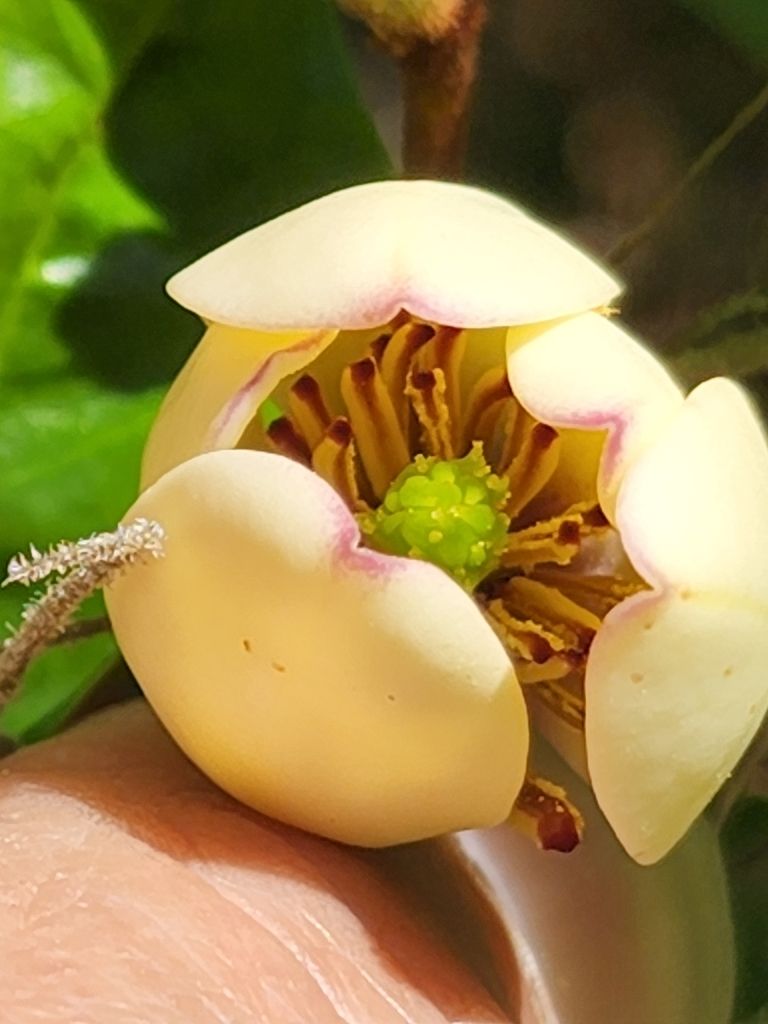
Flowering shrub
Banana shrub
Magnolia figo
Banana shrub (Magnolia figo) is a shrub in the Magnoliaceae family.
Banana shrub is a popular flowering shrub. It's on our flower lists for 10 states.
*iNaturalist research-grade observations, as of October 23, 2026. Planted garden shrubs are mostly excluded from research grade.
On our lists for: Alabama, California, Florida, Georgia, Hawaii, Louisiana, Mississippi, North Carolina, South Carolina, Texas
Quick look
Magnolia figo is a species of flowering plant in the family Magnoliaceae. This evergreen tree is sometimes referred to by the common names banana shrub, and port wine magnolia. It grows to 3–4 metres tall.
- It belongs to the Magnoliaceae family. iNaturalist
- iNaturalist has 20 research-grade sightings of it in Florida, ranking #118 among the 151 flowers on our Florida list. iNaturalist
- iNaturalist has 19 research-grade sightings of it in Louisiana, ranking #115 among the 154 flowers on our Louisiana list. iNaturalist
- iNaturalist has 5 research-grade sightings of it in South Carolina, ranking #138 among the 171 flowers on our South Carolina list. iNaturalist
When does it bloom?
Bloom time in the 10 states whose Bloomipedia list includes it
| State | Type | Peak bloom | Sightings* |
|---|---|---|---|
| Florida | 🌷 Garden | few records (3) | 20 |
| Louisiana | 🌷 Garden | few records (2) | 19 |
| South Carolina | 🌷 Garden | no flowering records | 5 |
| Texas | 🌷 Garden | no flowering records | 4 |
| Georgia | 🌷 Garden | no flowering records | 3 |
| Alabama | 🌷 Garden | no flowering records | 2 |
| Mississippi | 🌷 Garden | no flowering records | 2 |
| North Carolina | 🌷 Garden | no flowering records | 1 |
| California | 🌷 Garden | no flowering records | 0 |
| Hawaii | 🌷 Garden | no flowering records | 0 |
Conservation status
- Federal (U.S. ESA)
- Not listed No U.S. Endangered Species Act listing in the USFWS ECOS database. USFWS ECOS
- NatureServe
- Unknown We couldn't find this name in NatureServe Explorer. NatureServe
- State rare plant lists
- Not listed Not on the official rare plant list in 6 of our 10 states.
See each state
- Florida
- Not listed Not on Florida Regulated Plant Index (Fla. Admin. Code 5B-40.0055). FAC 5B-40.0055
- Texas
- Not listed Not on Texas endangered and threatened plants (31 Tex. Admin. Code § 69.8), as listed by Texas Parks and Wildlife. 31 TAC 69.8
- Georgia
- Not listed Not on Georgia protected plants (Ga. Comp. R. & Regs. 391-4-10-.09; a 2026 update is proposed). Ga. R. 391-4-10-.09
- North Carolina
- Not listed Not on North Carolina Protected Plant Species List (02 NCAC 48F .0301). 02 NCAC 48F .0301
- California
- Not listed Not on California state-listed endangered, threatened and rare plants (14 CCR § 670.2), per CDFW's CNDDB list (July 2026). CNDDB listed plants (July 2026)
- Hawaii
- Not listed Not on Hawaii threatened and endangered plants (HAR 13-107; the state list follows the federal list), DLNR Division of Forestry and Wildlife. HAR 13-107
- Louisiana
- No list Louisiana has no state list of endangered or threatened plants separate from the federal list, so we show federal status and NatureServe's Louisiana ranks.
- South Carolina
- No list South Carolina has no state law listing endangered or threatened plants, so we show NatureServe's South Carolina ranks instead.
- Alabama
- No list Alabama has no state law listing endangered or threatened plants, so we show NatureServe's Alabama ranks instead.
- Mississippi
- No list Mississippi has no state law listing endangered or threatened plants, so we show NatureServe's Mississippi ranks instead.
Checked October 23, 2026. Rankings and lists can change, so follow the links for the latest.
Can you eat it?
None of the sources we checked (NC State Extension (no edibility or poison notes on its page)) say whether it's edible or poisonous for people. NC State Extension
It isn't on the ASPCA plant list, and NC State Extension doesn't flag it for pets. For context only: ASPCA lists a related species, Magnolia stellata (“Magnolia Bush”), as non-toxic to dogs and cats. That doesn't tell us about this species, so keep pets away to be safe. ASPCA
🌿 Never eat a wild plant unless you're certain of its ID; this isn't medical advice. Worried about a person? Call Poison Control at 1-800-222-1222. Worried about a pet? Call your vet.
Where does it grow?
USDA PLANTS has no state-by-state distribution for this name, so we can't map it yet.
Names, range and relatives
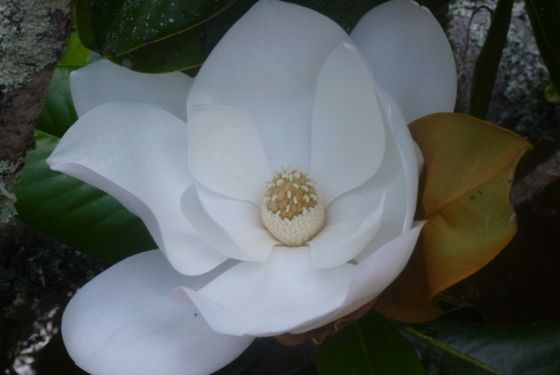
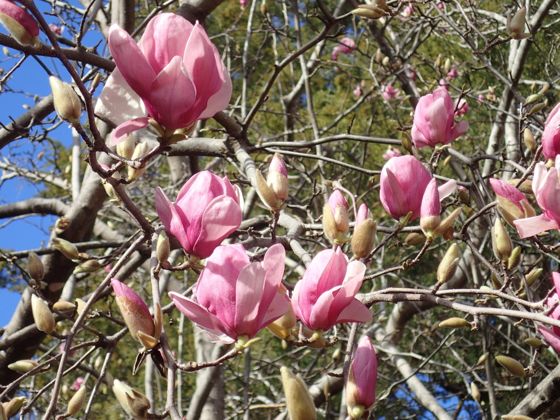
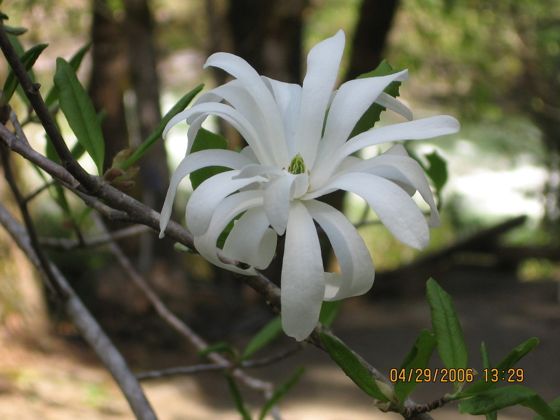
Other Magnolia on Bloomipedia (5): Magnolias, Southern magnolia, Sweetbay magnolia, Star magnolia, Saucer magnolia.
More Florida flowers
Sources
- USDA PLANTS: no profile matched this name.
- iNaturalist, Magnolia figo: taxonomy, research-grade observation counts and “Flowering” annotations, retrieved October 23, 2026.
- Wikipedia, Magnolia figo (lead quoted under CC BY-SA 4.0).
- State rare and invasive plant lists (14):
Show all 14 state lists
- Florida: Florida Regulated Plant Index (Fla. Admin. Code 5B-40.0055).
- Florida: Florida Noxious Weed List (Fla. Admin. Code 5B-57.007).
- South Carolina: South Carolina State Plant Pest List, plants (S.C. Code Regs. 27-135; Clemson Dept. of Plant Industry).
- Texas: Texas endangered and threatened plants (31 Tex. Admin. Code § 69.8), as listed by Texas Parks and Wildlife.
- Texas: Texas noxious and invasive plant list (4 Tex. Admin. Code § 19.300(a)).
- Georgia: Georgia protected plants (Ga. Comp. R. & Regs. 391-4-10-.09; a 2026 update is proposed).
- Alabama: Alabama noxious weeds (Ala. Admin. Code r. 80-10-14-.04).
- Mississippi: Mississippi Noxious Weed List (2 Miss. Code R. 1-3-01-136.01).
- North Carolina: North Carolina Protected Plant Species List (02 NCAC 48F .0301).
- North Carolina: North Carolina Noxious Weed List (02 NCAC 48A .1702) (the list names any non-native Lythrum; we apply it to purple loosestrife (Lythrum salicaria), which isn't native).
- California: California state-listed endangered, threatened and rare plants (14 CCR § 670.2), per CDFW's CNDDB list (July 2026).
- California: California noxious weed species (3 CCR § 4500).
- Hawaii: Hawaii threatened and endangered plants (HAR 13-107; the state list follows the federal list), DLNR Division of Forestry and Wildlife.
- Hawaii: Hawaii noxious weed list (HAR 4-68).
- USFWS, ECOS species database (ESA listing check), October 23, 2026.
- Edibility and toxicity: NC State Extension; ASPCA.
- Photo: Mark Richman via iNaturalist · CC BY 4.0 · resized.