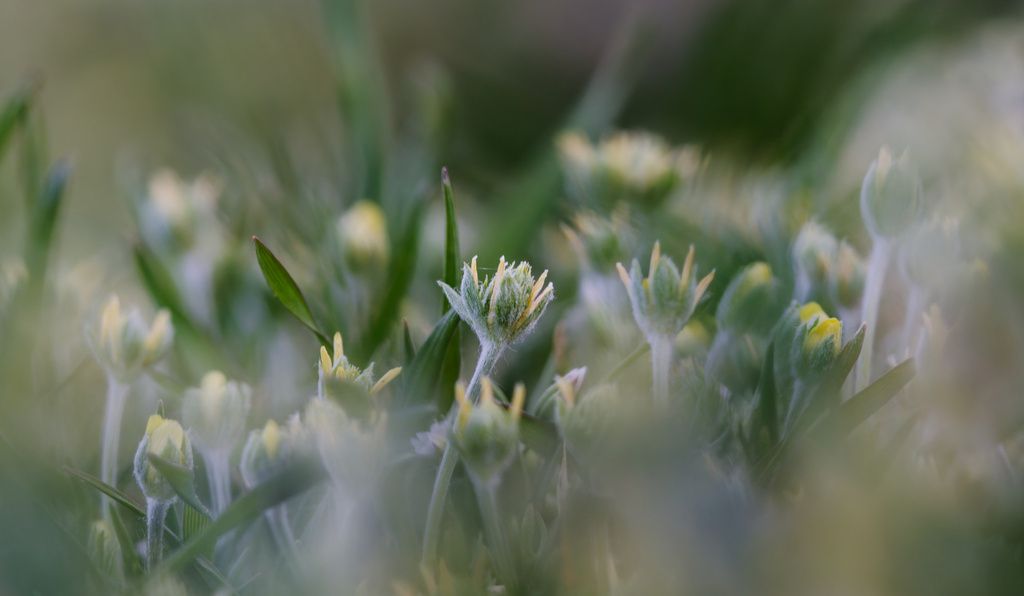
Flower profile
Curveseed butterwort
Ceratocephala testiculata
Curveseed butterwort (Ceratocephala testiculata) is a flowering plant in the Ranunculaceae family, introduced in the lower 48 states, blooming mostly March–April across the U.S.
Curveseed butterwort is a wildflower that USDA PLANTS lists as introduced in the lower 48 states. It's on our flower lists for 3 states, and across the U.S. it's most often seen in bloom in March–April.
*iNaturalist research-grade observations, as of October 17, 2026.
Quick look
Ceratocephala testiculata is a flowering plant that is native to Eurasia. Common names include bur buttercup and curveseed butterwort. It is very small, usually only about an inch or two tall, but potentially growing to four inches. The flowers are small and dull yellow. The leaves are hairy and somewhat dissected. It produces a cluster of hard, spiny fruits.
- It belongs to the Ranunculaceae family. iNaturalist
- USDA PLANTS describes it as an herb (forb) with a annual life cycle. USDA PLANTS
- USDA PLANTS lists it as introduced in the lower 48 states and records it in 23 states. USDA PLANTS
- NatureServe lists it as not native to Utah, Idaho and Nevada. NatureServe
- In Utah, most iNaturalist sightings of it in flower come in March–April. iNaturalist
- iNaturalist has 946 research-grade sightings of it in Utah, ranking #60 among the 153 flowers on our Utah list. iNaturalist
- iNaturalist has 511 research-grade sightings of it in Idaho, ranking #63 among the 143 flowers on our Idaho list. iNaturalist
- iNaturalist has 408 research-grade sightings of it in Nevada, ranking #101 among the 132 flowers on our Nevada list. iNaturalist
When does it bloom?
Conservation status
- Federal (U.S. ESA)
- Not listed No U.S. Endangered Species Act listing in the USFWS ECOS database. USFWS ECOS
- NatureServe global
- GNR Not yet ranked worldwide. NatureServe
- Utah
- No list Utah has no state law listing endangered or threatened plants, so we show NatureServe's Utah ranks instead. NatureServe: SNA, not applicable (usually because it isn't native there) in Utah.
- Idaho
- No list Idaho has no state law listing endangered or threatened plants, so we show NatureServe's Idaho ranks instead. NatureServe: SNA, not applicable (usually because it isn't native there) in Idaho.
- Nevada
- Not listed Not on Nevada fully protected plants, critically endangered (NAC 527.010). NatureServe: SNA, not applicable (usually because it isn't native there) in Nevada. NAC 527.010
- Rare elsewhere
- No other U.S. state ranks it S1, S2, SH or SX.
Checked October 17, 2026. Rankings and lists can change, so follow the links for the latest.
Can you eat it?
None of the sources we checked (NC State Extension (no page for this plant), USDA PLANTS) say whether it's edible or poisonous for people.
It isn't on the ASPCA plant list.
🌿 Never eat a wild plant unless you're certain of its ID; this isn't medical advice. Worried about a person? Call Poison Control at 1-800-222-1222. Worried about a pet? Call your vet.
Where does it grow?
USDA PLANTS records curveseed butterwort in 23 states.
recorded by USDA PLANTS on our state lists not recorded
See the full list of states
Arizona, California, Colorado, Idaho, Illinois, Indiana, Iowa, Kansas, Minnesota, Missouri, Montana, Nebraska, Nevada, New Mexico, New York, North Dakota, Ohio, Oregon, South Dakota, Utah, Washington, Wisconsin, Wyoming.
Utah counties with USDA records: Beaver, Box Elder, Cache, Carbon, Daggett, Davis, Duchesne, Emery, Garfield, Grand, Iron, Juab, Kane, Millard, Morgan, Piute, Rich, Salt Lake, San Juan, Sanpete, Sevier, Summit, Tooele, Uintah, Utah, Wasatch, Washington, Wayne, Weber.
Idaho counties with USDA records: Ada, Adams, Bannock, Bear Lake, Bingham, Blaine, Bonneville, Butte, Camas, Canyon, Cassia, Clark, Elmore, Gem, Gooding, Idaho, Latah, Lemhi, Lewis, Lincoln, Nez Perce, Oneida, Owyhee, Payette, Power, Teton, Twin Falls, Washington.
Nevada counties with USDA records: Carson City, Clark, Douglas, Elko, Humboldt, Lander, Lyon, Nye, Pershing, Storey, Washoe, White Pine.
Names, range and relatives
Native status by region (USDA PLANTS): Canada: Introduced; Lower 48 states: Introduced.
Other scientific names (synonyms in USDA PLANTS): Ceratocephala orthoceras, Ranunculus testiculatus.
County records: USDA PLANTS lists it in 158 counties across 16 states; the most are in Utah (29), Idaho (28), Oregon (19).
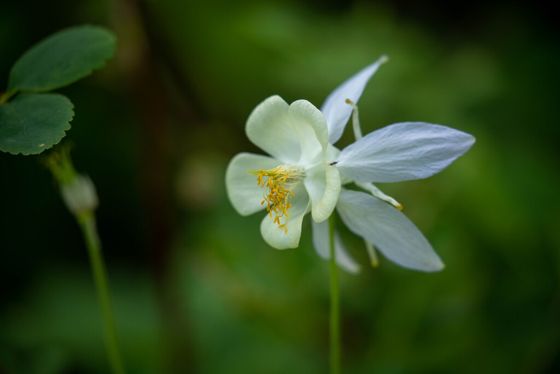
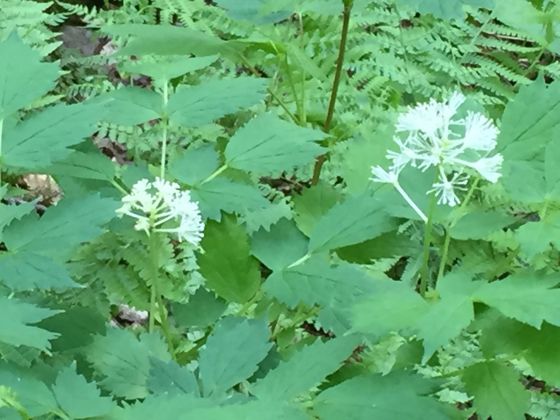
More from the Ranunculaceae family (48 on Bloomipedia; most observed first): Lesser celandine, Rue anemone, Red columbine, Wood anemone, Western columbine, Marsh marigold, White baneberry, Round-lobed hepatica.
More Utah flowers
Sources
- USDA, NRCS. PLANTS Database, profile CETE5.
- iNaturalist, Ceratocephala testiculata: taxonomy, research-grade observation counts and “Flowering” annotations, retrieved October 17, 2026.
- Wikipedia, Ceratocephala testiculata (lead quoted under CC BY-SA 4.0).
- Utah: Utah noxious weed list (Utah Admin. Code R68-9-3).
- Idaho: Idaho noxious weeds (IDAPA 02.06.09, Section 220).
- Nevada: Nevada fully protected plants, critically endangered (NAC 527.010).
- Nevada: Nevada noxious weeds (NAC 555.010).
- USFWS, ECOS species database (ESA listing check), October 17, 2026.
- NatureServe Explorer, Ceratocephala testiculata (global and state ranks).
- Edibility and toxicity: no source found (marked "not well documented").
- Photo: Daughter Dad via iNaturalist · CC BY 4.0 · resized.