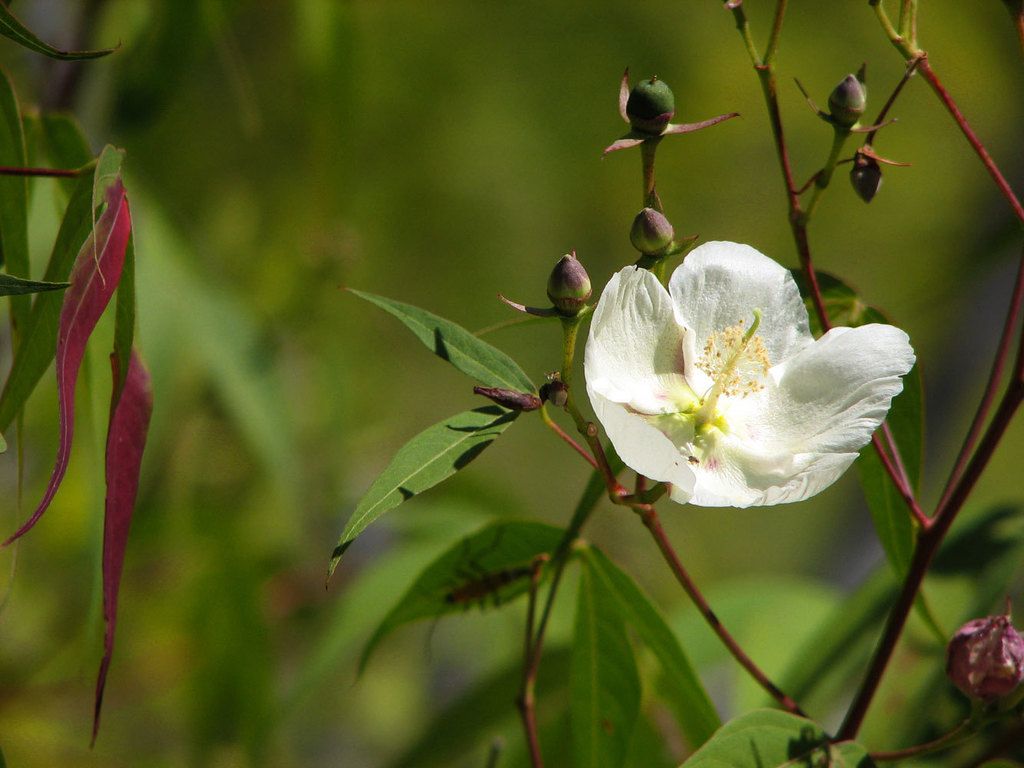
Flower profile
Desert cotton
Gossypium thurberi
Desert cotton (Gossypium thurberi) is a shrub or small tree in the Malvaceae family, native in the lower 48 states, blooming mostly September–October across the U.S.
Desert cotton is a flowering plant that USDA PLANTS lists as native in the lower 48 states. In Arizona it's most often seen in bloom in September–October.
*iNaturalist research-grade observations, as of October 17, 2026.
On our lists for: Arizona
Quick look
Gossypium thurberi, also known as Arizona wild cotton, Thurber's cotton, or desert cotton, is a wild species of cotton.
- It belongs to the Malvaceae family. iNaturalist
- USDA PLANTS describes it as a shrub / a tree with a perennial life cycle. USDA PLANTS
- USDA PLANTS lists it as native in the lower 48 states and records it in 1 states. USDA PLANTS
- NatureServe lists it as native to Arizona. NatureServe
- In Arizona, most iNaturalist sightings of it in flower come in September–October. iNaturalist
- iNaturalist has 1,304 research-grade sightings of it in Arizona, ranking #74 among the 132 flowers on our Arizona list. iNaturalist
When does it bloom?
In Arizona, most flowering sightings come in September–October.
Conservation status
- Federal (U.S. ESA)
- Not listed No U.S. Endangered Species Act listing in the USFWS ECOS database. USFWS ECOS
- NatureServe global
- G4 Apparently secure worldwide. NatureServe
- Arizona
- Not listed Not on Arizona Native Plant Law protected plants (Ariz. Admin. Code R3-3 Art. 11, App. A, eff. Feb. 2, 2025). NatureServe: SNR, not yet ranked in Arizona. AAC R3-3 App. A
- Rare elsewhere
- No other U.S. state ranks it S1, S2, SH or SX.
Checked October 17, 2026. Rankings and lists can change, so follow the links for the latest.
Can you eat it?
None of the sources we checked (NC State Extension (no edibility or poison notes on its page), USDA PLANTS) say whether it's edible or poisonous for people. NC State Extension
It isn't on the ASPCA plant list, and NC State Extension doesn't flag it for pets.
🌿 Never eat a wild plant unless you're certain of its ID; this isn't medical advice. Worried about a person? Call Poison Control at 1-800-222-1222. Worried about a pet? Call your vet.
Where does it grow?
USDA PLANTS records desert cotton in 1 states.
recorded by USDA PLANTS on our state lists not recorded
See the full list of states
Arizona.
Arizona counties with USDA records: Cochise, Graham, Maricopa, Pima, Pinal, Santa Cruz, Yavapai.
Names, range and relatives
Other scientific names (synonyms in USDA PLANTS): Thurberia thespesioides.
County records: USDA PLANTS lists it in 7 counties across 1 states; the most are in Arizona (7).
Other Gossypium on Bloomipedia (1): Ma'o.
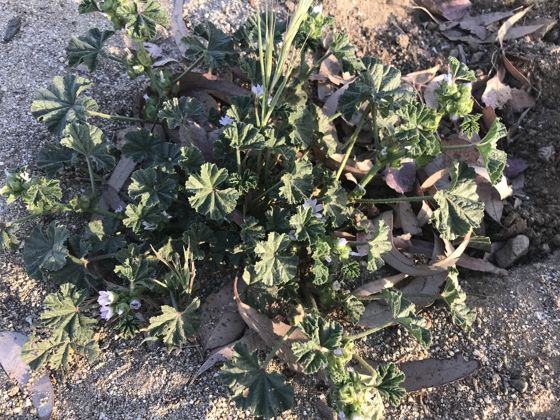
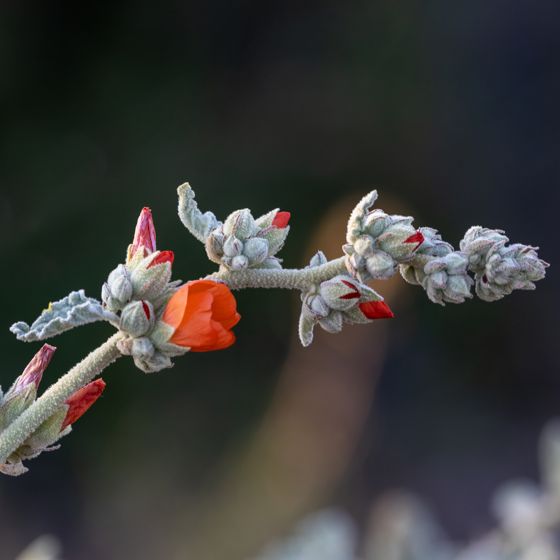
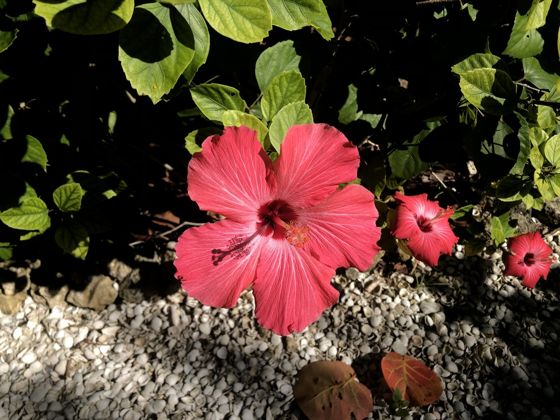
More from the Malvaceae family (29 on Bloomipedia; most observed first): Turk's cap, Common hibiscus, Swamp rose mallow, Velvetleaf, Dwarf mallow, Apricot globemallow, Checkerbloom, Scarlet globemallow.
More Arizona flowers
Sources
- USDA, NRCS. PLANTS Database, profile GOTH.
- iNaturalist, Gossypium thurberi: taxonomy, research-grade observation counts and “Flowering” annotations, retrieved October 17, 2026.
- Wikipedia, Gossypium thurberi (lead quoted under CC BY-SA 4.0).
- Arizona: Arizona Native Plant Law protected plants (Ariz. Admin. Code R3-3 Art. 11, App. A, eff. Feb. 2, 2025).
- Arizona: Arizona prohibited noxious weeds (Ariz. Admin. Code R3-4-245).
- USFWS, ECOS species database (ESA listing check), October 17, 2026.
- NatureServe Explorer, Gossypium thurberi (global and state ranks).
- Edibility and toxicity: NC State Extension.
- Photo: Katja Schulz via iNaturalist · CC BY 4.0 · resized.