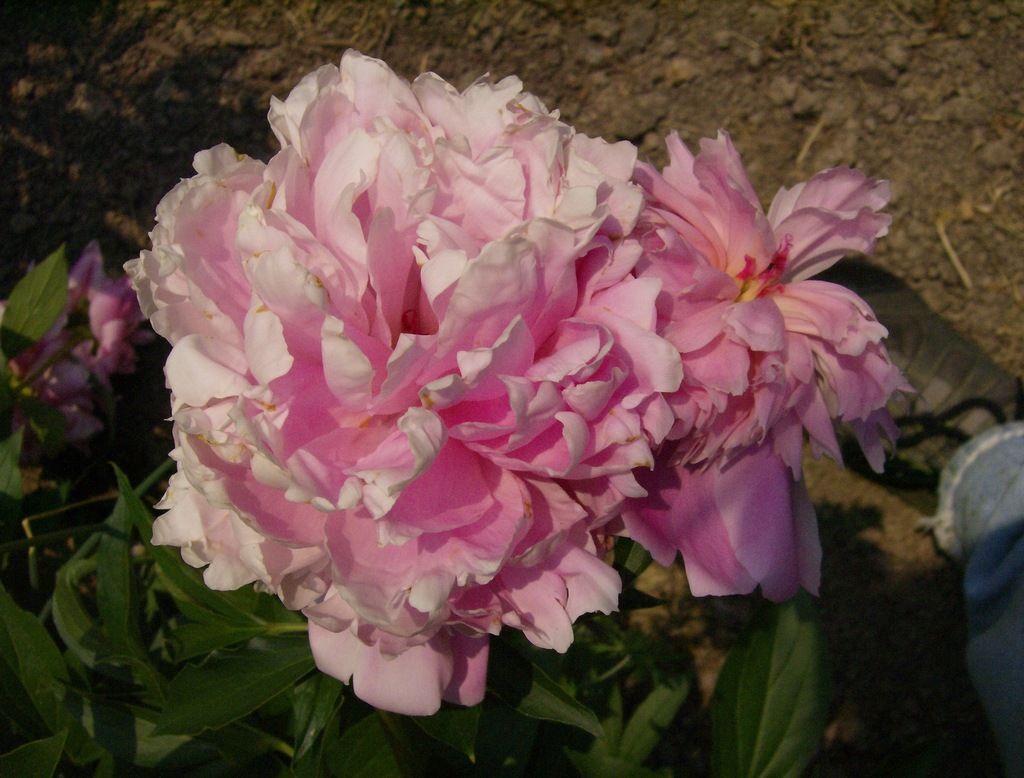
Garden flower
Peonies
Paeonia
Peonies (Paeonia) is a flowering plant in the Paeoniaceae family, introduced in the lower 48 states, blooming mostly January–May across the U.S.
Peonies is a popular garden flower. It's grown in Indiana gardens, so wild records are few.
*iNaturalist research-grade observations, as of October 17, 2026. Planted garden flowers are mostly excluded from research grade.
On our lists for: Indiana
Quick look
The peony or paeony is any flowering plant in the genus Paeonia, the only genus in the family Paeoniaceae. Peonies are native to Asia, Europe, and Western North America. Scientists differ on the number of species that can be distinguished, ranging from 25 to 40, although the current consensus describes 33 known species. The relationships between the species need to be further clarified.
- It belongs to the Paeoniaceae family. iNaturalist
- USDA PLANTS describes it as an herb (forb) with a perennial life cycle. USDA PLANTS
- USDA PLANTS lists it as introduced in the lower 48 states and records it in 14 states. USDA PLANTS
- iNaturalist has 2 research-grade sightings of it in Indiana, ranking #135 among the 173 flowers on our Indiana list. iNaturalist
When does it bloom?
There are only a handful of Indiana flowering records (garden plants are mostly left out of research-grade records), so this chart uses records from across the U.S.
Conservation status
- Federal (U.S. ESA)
- Not listed No U.S. Endangered Species Act listing in the USFWS ECOS database. USFWS ECOS
- NatureServe
- Unknown We couldn't find this name in NatureServe Explorer. NatureServe
- Indiana
- No list Indiana has no state law listing endangered or threatened plants (the DNR keeps a rare plant list, but it isn't regulatory), so we show NatureServe's Indiana ranks instead.
Checked October 17, 2026. Rankings and lists can change, so follow the links for the latest.
Can you eat it?
None of the sources we checked (NC State Extension (no page for this plant), USDA PLANTS) say whether it's edible or poisonous for people.
It isn't on the ASPCA plant list. For context only: ASPCA lists a related species, Paeonia officinalis (“Peony”), as toxic to dogs and cats. That doesn't tell us about this species, so keep pets away to be safe. ASPCA
🌿 Never eat a wild plant unless you're certain of its ID; this isn't medical advice. Worried about a person? Call Poison Control at 1-800-222-1222. Worried about a pet? Call your vet.
Where does it grow?
USDA PLANTS records peonies in 14 states.
recorded by USDA PLANTS on our state lists not recorded
See the full list of states
California, Idaho, Kentucky, Massachusetts, Montana, Nevada, New York, Oregon, Pennsylvania, Utah, Vermont, Washington, West Virginia, Wyoming.
Names, range and relatives
Native status by region (USDA PLANTS): Canada: Introduced; Lower 48 states: Introduced; Lower 48 states: Native.
County records: USDA PLANTS lists it in 93 counties across 10 states; the most are in California (29), Idaho (18), Oregon (17).
Other Paeonia on Bloomipedia (1): Garden peony.
More Indiana flowers
Sources
- USDA, NRCS. PLANTS Database, profile PAEON.
- iNaturalist, Paeonia: taxonomy, research-grade observation counts and “Flowering” annotations, retrieved October 17, 2026.
- Wikipedia, Peony (lead quoted under CC BY-SA 4.0).
- Ind. Code § 1-2-7-1: Indiana state flower.
- Indiana: Indiana prohibited invasive terrestrial plants (312 IAC 18-3-25).
- USFWS, ECOS species database (ESA listing check), October 17, 2026.
- Edibility and toxicity: ASPCA.
- Photo: Brian C. Hunt via iNaturalist · CC BY 4.0 · resized.