Garden flower
Daffodil
Narcissus pseudonarcissus
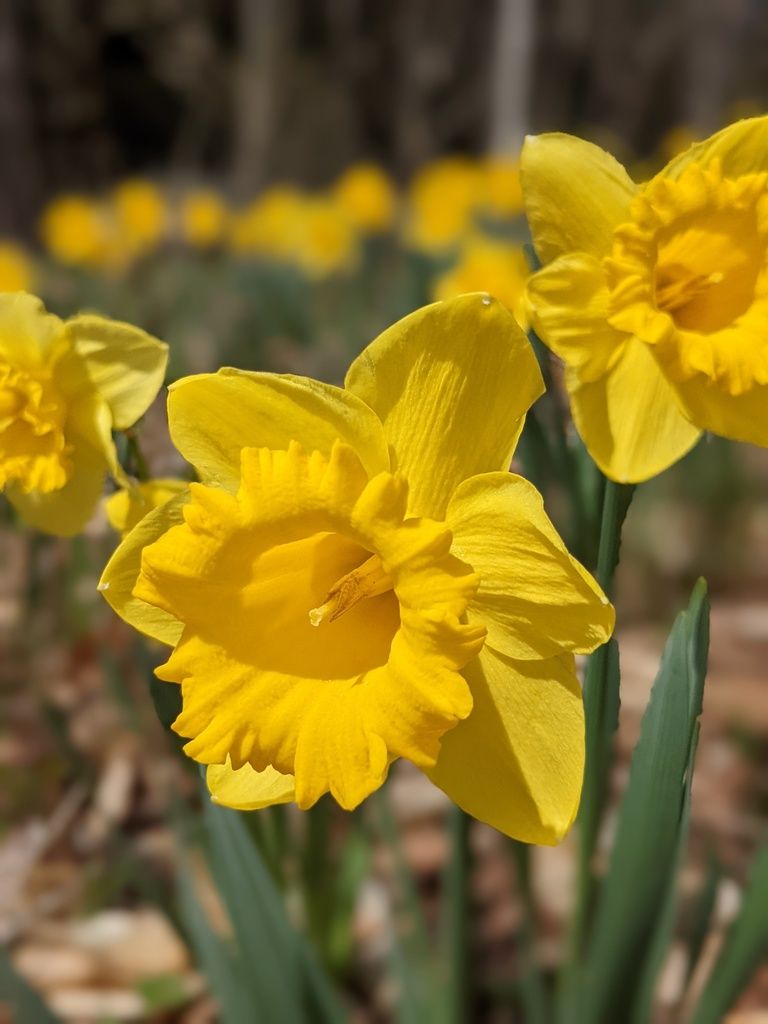
Identification
Daffodil is described as herbaceous, with perennial.2
When it blooms
iNaturalist flowering sightings across the U.S. are most often in February–April1.
| State | Type | Peak bloom | Obs.* |
|---|---|---|---|
| Alabama | Garden | few records (20) | 124 |
| Alaska | Garden | no flowering records | 0 |
| Arizona | Garden | no flowering records | 0 |
See bloom time in all 46 states on our lists
| State | Type | Peak bloom | Obs.* |
|---|---|---|---|
| Alabama | Garden | few records (20) | 124 |
| Alaska | Garden | no flowering records | 0 |
| Arizona | Garden | no flowering records | 0 |
| Arkansas | Garden | few records (17) | 112 |
| California | Garden | few records (9) | 109 |
| Colorado | Garden | no flowering records | 9 |
| Connecticut | Garden | few records (3) | 19 |
| Delaware | Garden | few records (3) | 18 |
| Florida | Garden | no flowering records | 0 |
| Georgia | Garden | few records (13) | 131 |
| Idaho | Garden | no flowering records | 12 |
| Illinois | Garden | few records (23) | 108 |
| Indiana | Garden | few records (10) | 62 |
| Iowa | Garden | no flowering records | 4 |
| Kansas | Garden | no flowering records | 10 |
| Kentucky | Garden | few records (13) | 75 |
| Louisiana | Garden | no flowering records | 5 |
| Maine | Garden | few records (1) | 2 |
| Maryland | Garden | few records (12) | 143 |
| Massachusetts | Garden | few records (6) | 36 |
| Michigan | Garden | few records (8) | 75 |
| Minnesota | Garden | no flowering records | 2 |
| Mississippi | Garden | few records (5) | 31 |
| Missouri | Garden | few records (3) | 41 |
| Montana | Garden | no flowering records | 3 |
| Nebraska | Garden | no flowering records | 3 |
| Nevada | Garden | no flowering records | 0 |
| New Hampshire | Garden | few records (1) | 10 |
| New Jersey | Garden | few records (16) | 55 |
| New Mexico | Garden | no flowering records | 1 |
| New York | Garden | few records (29) | 112 |
| North Carolina | Garden | few records (28) | 234 |
| Ohio | Garden | few records (24) | 185 |
| Oklahoma | Garden | no flowering records | 15 |
| Oregon | Garden | few records (22) | 80 |
| Pennsylvania | Garden | few records (30) | 104 |
| Rhode Island | Garden | few records (1) | 6 |
| South Carolina | Garden | few records (1) | 51 |
| Tennessee | Garden | few records (13) | 166 |
| Texas | Garden | few records (4) | 30 |
| Utah | Garden | few records (1) | 5 |
| Vermont | Garden | no flowering records | 2 |
| Virginia | Garden | few records (34) | 125 |
| Washington | Garden | few records (9) | 61 |
| West Virginia | Garden | few records (4) | 39 |
| Wisconsin | Garden | few records (5) | 31 |
*iNaturalist research-grade observations, as of October 17, 2026.1
Where it grows
USDA PLANTS records it in 28 states.2 Our state guides include it in 46 states, because those lists also cover garden plantings. It is listed as introduced in the lower 48 states.2
See the full state list
- Alabama
- Alaska
- Arizona
- Arkansas
- California
- Colorado
- Connecticut
- Delaware
- Florida
- Georgia
- Idaho
- Illinois
- Indiana
- Iowa
- Kansas
- Kentucky
- Louisiana
- Maine
- Maryland
- Massachusetts
- Michigan
- Minnesota
- Mississippi
- Missouri
- Montana
- Nebraska
- Nevada
- New Hampshire
- New Jersey
- New Mexico
- New York
- North Carolina
- Ohio
- Oklahoma
- Oregon
- Pennsylvania
- Rhode Island
- South Carolina
- Tennessee
- Texas
- Utah
- Vermont
- Virginia
- Washington
- West Virginia
- Wisconsin
Edibility and toxicity
For people: NC State Extension lists it as poisonous to humans (severity: low). Poisonous parts: flowers, leaves, roots. Symptoms they list: “Vomiting, salvation, diarrhea; large ingestions cause convulsions, low blood pressure, tremors, and cardiac arrhythmias. Bulbs are the most poisonous part”3.
For pets: ASPCA's entry “Daffodil” (Narcissus spp), which covers the whole genus, lists it as toxic to dogs, cats and horses. Signs include: Vomiting, salvation, diarrhea; large ingestions cause convulsions, low blood pressure, tremors and cardiac arrhythmias. Bulbs are the most poisonous…4.
Never eat a wild plant unless you are certain of its identity; this is not medical advice. For a person, call Poison Control at 1-800-222-1222. For a pet, call your vet.
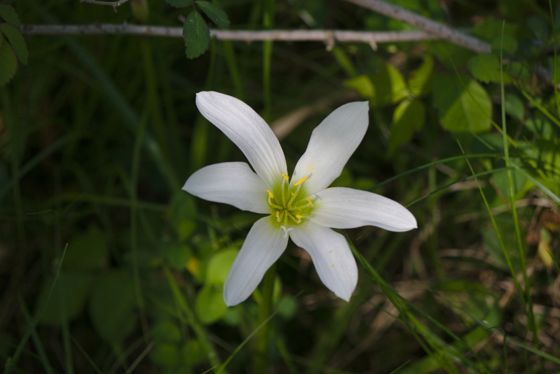
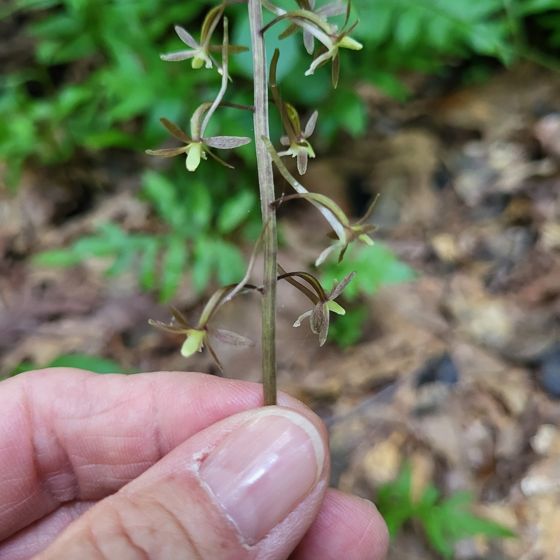
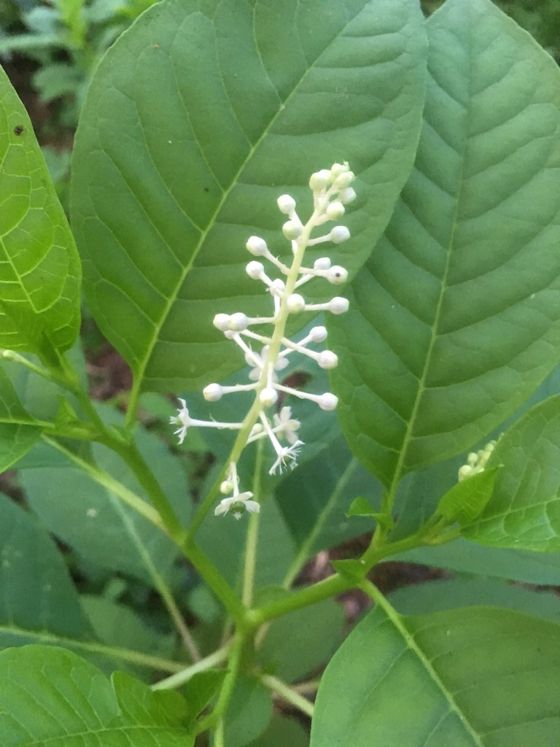
Related plants
Sources and review date
Facts on this page are drawn from the sources below. Numbers in the text point here. Sources used for this page were retrieved as of October 17, 2026.
- iNaturalist (taxonomy, research-grade observation counts and “Flowering” annotations, retrieved October 17, 2026).
- USDA, NRCS. PLANTS Database (profile NAPS).
- NC State Extension.
- ASPCA.
- Photo: Nick Kleinschmidt via iNaturalist · CC BY 4.0 · resized.