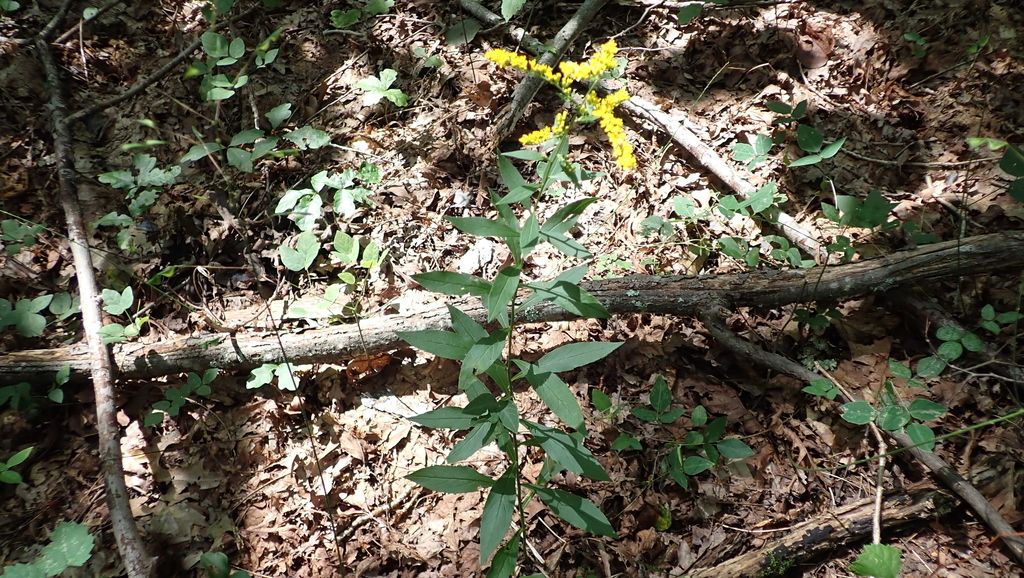
Flower profile
Goldenrods
Solidago
Goldenrods (Solidago) is a flowering plant in the Asteraceae family, native in the lower 48 states, blooming mostly August–October across the U.S.
Goldenrods is a wildflower that USDA PLANTS lists as native in the lower 48 states. In Kentucky it's most often seen in bloom in September–October.
*iNaturalist research-grade observations, as of October 17, 2026.
On our lists for: Kentucky
Quick look
Solidago, commonly called goldenrod, is a genus of about 100 to 120 species of flowering plants in the family Asteraceae. Most are herbaceous perennial species found in open areas such as meadows, prairies, and savannas. They are mostly native to North America, including Mexico; a few species are native to South America and Eurasia.
- It belongs to the Asteraceae family. iNaturalist
- USDA PLANTS describes it as an herb (forb) with a perennial life cycle. USDA PLANTS
- USDA PLANTS lists it as native in the lower 48 states and records it in 7 states. USDA PLANTS
- In Kentucky, most iNaturalist sightings of it in flower come in September–October. iNaturalist
- iNaturalist has 1,255 research-grade sightings of it in Kentucky, ranking #36 among the 178 flowers on our Kentucky list. iNaturalist
When does it bloom?
In Kentucky, most flowering sightings come in September–October.
Conservation status
- Federal (U.S. ESA)
- Not listed No U.S. Endangered Species Act listing in the USFWS ECOS database. USFWS ECOS
- NatureServe
- Unknown We couldn't find this name in NatureServe Explorer. NatureServe
- Kentucky
- n/a Kentucky's list is by species, so a whole genus isn't assessed. 400 KAR 3:040
Checked October 17, 2026. Rankings and lists can change, so follow the links for the latest.
Can you eat it?
NC State Extension notes: “Young leaves are edible. The plant is also used to make herbal teas.” NC State Extension
It isn't on the ASPCA plant list, and NC State Extension doesn't flag it for pets.
🌿 Never eat a wild plant unless you're certain of its ID; this isn't medical advice. Worried about a person? Call Poison Control at 1-800-222-1222. Worried about a pet? Call your vet.
Where does it grow?
USDA PLANTS records goldenrods in 7 states.
recorded by USDA PLANTS on our state lists not recorded
See the full list of states
Connecticut, Maine, Massachusetts, New Hampshire, New Jersey, New York, Rhode Island.
Names, range and relatives
Native status by region (USDA PLANTS): Canada: Native; Lower 48 states: Native.
County records: USDA PLANTS lists it in 13 counties across 3 states; the most are in Massachusetts (9), New York (3), New Jersey (1).
Other Solidago on Bloomipedia (8): Bluestem goldenrod, Northern seaside goldenrod, Common wrinkle-leaved goldenrod, Broad-leaved goldenrod, Stiff-leaved goldenrod, Tall goldenrod, Silverrod, Giant goldenrod.
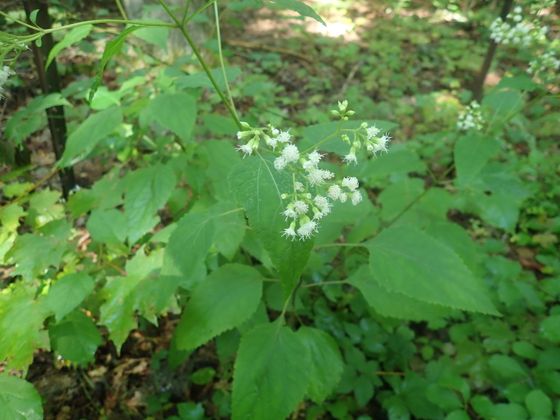
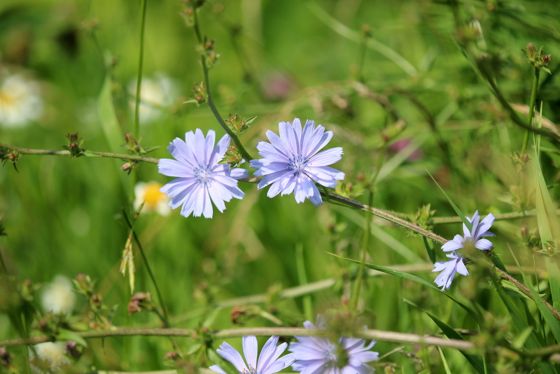
More from the Asteraceae family (212 on Bloomipedia; most observed first): Common yarrow, White snakeroot, Sunflowers, Chicory, Black-eyed Susan, Bull thistle, Common dandelion, Firewheel.
More Kentucky flowers
Sources
- USDA, NRCS. PLANTS Database, profile SOAS2.
- iNaturalist, Solidago: taxonomy, research-grade observation counts and “Flowering” annotations, retrieved October 17, 2026.
- Wikipedia, Solidago (lead quoted under CC BY-SA 4.0).
- KRS § 2.090: Kentucky state flower.
- Kentucky: Kentucky endangered and threatened plant lists (400 KAR 3:040, eff. 2026).
- Kentucky: Kentucky noxious weeds and invasive plants on state rights-of-way (KRS 176.051; species list from the Kentucky Transportation Cabinet).
- USFWS, ECOS species database (ESA listing check), October 17, 2026.
- Edibility and toxicity: NC State Extension.
- Photo: John Abrams via iNaturalist · CC BY 4.0 · resized.