Flower profile
Mock azalea
Rhododendron menziesii
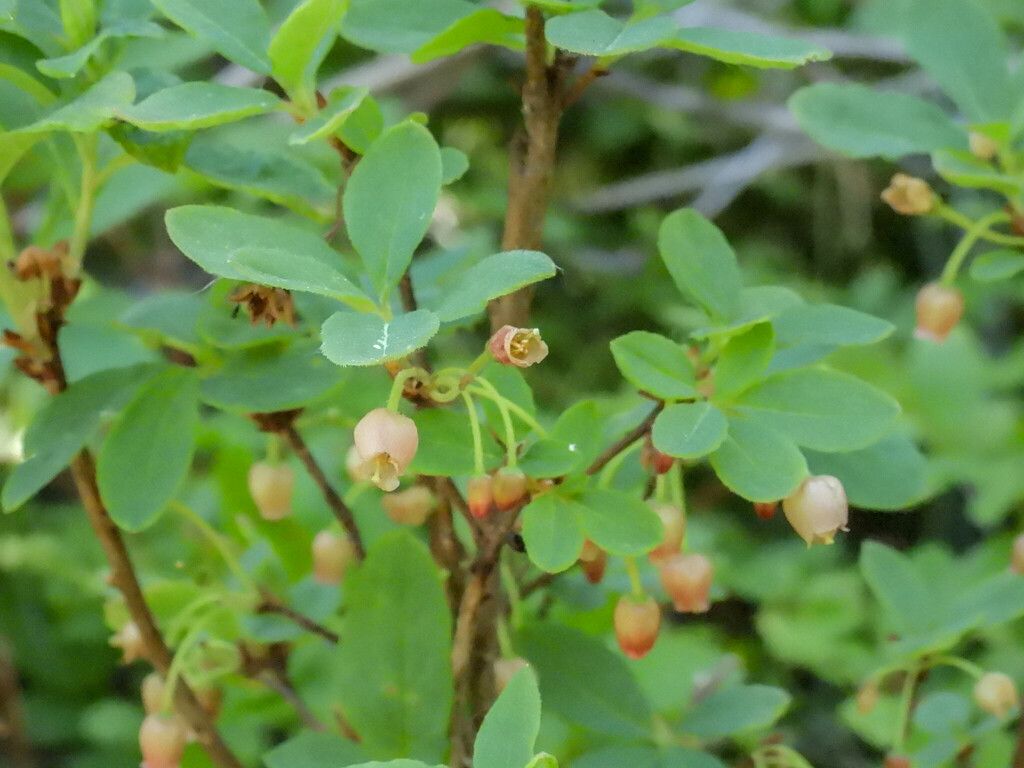
When it blooms
iNaturalist flowering sightings across the U.S. are most often in June–July1.
Where it grows
USDA PLANTS has no state-by-state distribution for this name, so we can’t count every state yet.
See the full state list
Conservation
Other states where NatureServe ranks it rare or missing: WY (S1). (S1 critically imperiled, S2 imperiled, SH possibly extirpated, SX presumed extirpated.)3
Edibility and toxicity
For pets: ASPCA's entry “Azalea” (Rhododendron spp), which covers the whole genus, lists it as toxic to dogs, cats and horses. Signs include: Vomiting (not in horses), diarrhea, weakness, cardiac…4.
Never eat a wild plant unless you are certain of its identity; this is not medical advice. For a person, call Poison Control at 1-800-222-1222. For a pet, call your vet.
Related plants
Sources and review date
Facts on this page are drawn from the sources below. Numbers in the text point here. Sources used for this page were retrieved as of October 17, 2026.
- iNaturalist (taxonomy, research-grade observation counts and “Flowering” annotations, retrieved October 17, 2026).
- USDA, NRCS. PLANTS Database.
- NatureServe Explorer (global and state ranks for Rhododendron menziesii).
- ASPCA.
- Photo: Erik Schiff via iNaturalist · CC0 · resized.