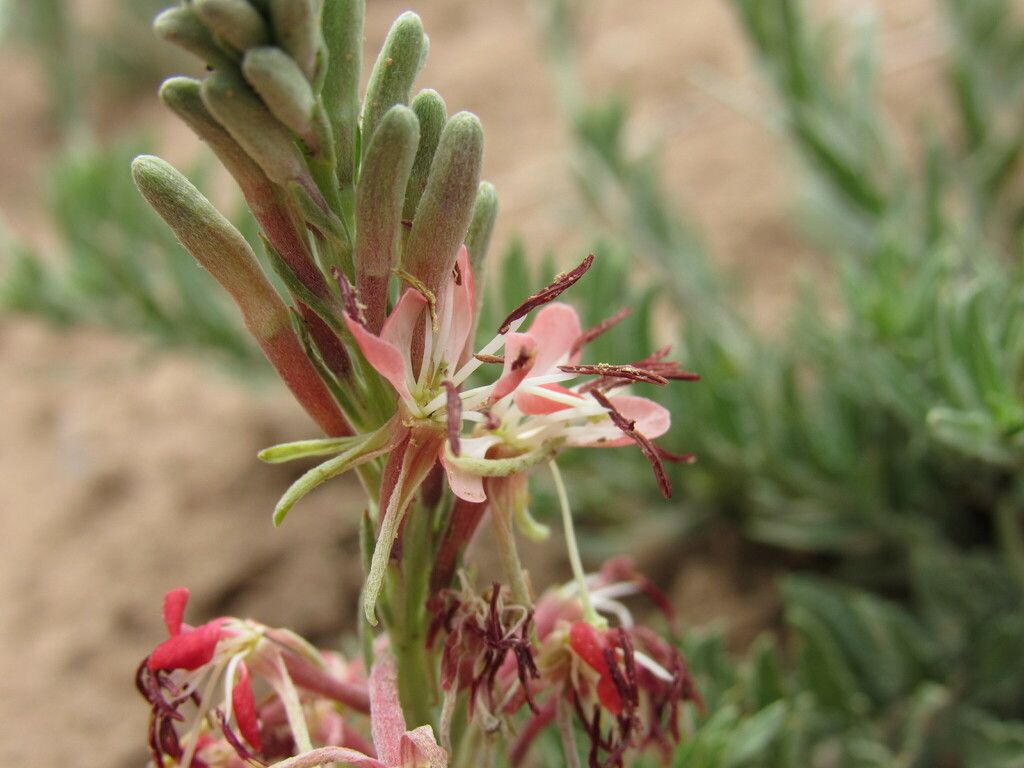
Flower profile
Scarlet beeblossom
Oenothera suffrutescens
Scarlet beeblossom (Oenothera suffrutescens) is a low shrub in the Onagraceae family, native in the lower 48 states, blooming mostly April–June across the U.S.
Scarlet beeblossom is a wildflower that USDA PLANTS lists as native in the lower 48 states. It's on our flower lists for 7 states, and across the U.S. it's most often seen in bloom in April–June.
*iNaturalist research-grade observations, as of October 17, 2026.
On our lists for: Colorado, Montana, Nebraska, Nevada, New Mexico, North Dakota, South Dakota
Quick look
Oenothera suffrutescens is a species of flowering plant in the evening primrose family known as scarlet beeblossom and scarlet gaura.
- It belongs to the Onagraceae family. iNaturalist
- USDA PLANTS describes it as an herb (forb) / a subshrub with a perennial life cycle. USDA PLANTS
- USDA PLANTS lists it as native in the lower 48 states and records it in 25 states. USDA PLANTS
- In Colorado, most iNaturalist sightings of it in flower come in May–June. iNaturalist
- In New Mexico, most iNaturalist sightings of it in flower come in April–June. iNaturalist
- iNaturalist has 2,085 research-grade sightings of it in Colorado, ranking #78 among the 160 flowers on our Colorado list. iNaturalist
- iNaturalist has 1,008 research-grade sightings of it in New Mexico, ranking #48 among the 152 flowers on our New Mexico list. iNaturalist
- iNaturalist has 565 research-grade sightings of it in Montana, ranking #75 among the 128 flowers on our Montana list. iNaturalist
When does it bloom?
Bloom time in the 7 states whose Bloomipedia list includes it
| State | Type | Peak bloom | Sightings* |
|---|---|---|---|
| Colorado | Native | May–June | 2,085 |
| New Mexico | Native | April–June | 1,008 |
| Montana | Native | few records (21) | 565 |
| Nevada | Native | April–May | 435 |
| South Dakota | Native | few records (19) | 232 |
| North Dakota | Native | few records (33) | 176 |
| Nebraska | Native | few records (7) | 160 |
Conservation status
- Federal (U.S. ESA)
- Not listed No U.S. Endangered Species Act listing in the USFWS ECOS database. USFWS ECOS
- NatureServe global
- G5 Secure worldwide. NatureServe
- Colorado
- No list Colorado has no state law listing endangered or threatened plants, so we show NatureServe's Colorado ranks instead. NatureServe: S4, apparently secure in Colorado.
- New Mexico
- Not listed Not on New Mexico state endangered plant species (19.21.2.9 NMAC). NatureServe: SNR, not yet ranked in New Mexico. 19.21.2.9 NMAC
- Montana
- No list Montana has no state law listing endangered or threatened plants, so we show NatureServe's Montana ranks instead. NatureServe: S4, apparently secure in Montana.
- Nevada
- Not listed Not on Nevada fully protected plants, critically endangered (NAC 527.010). NatureServe: S4, apparently secure in Nevada. NAC 527.010
- South Dakota
- No list South Dakota's endangered and threatened list (ARSD 41:10:02) covers animals only, so we show NatureServe's South Dakota ranks for plants. NatureServe: SNR, not yet ranked in South Dakota.
- North Dakota
- No list North Dakota has no state law listing endangered or threatened plants, so we show NatureServe's North Dakota ranks instead. NatureServe: S4, apparently secure in North Dakota.
- Nebraska
- Not listed Not on Nebraska threatened and endangered species (163 Neb. Admin. Code ch. 4, § 004). NatureServe: SNR, not yet ranked in Nebraska. 163 NAC 4-004
- Rare elsewhere
- Other states where NatureServe ranks it rare or missing: MO (S1). (S1 critically imperiled, S2 imperiled, SH possibly extirpated, SX presumed extirpated.)
Checked October 17, 2026. Rankings and lists can change, so follow the links for the latest.
Can you eat it?
None of the sources we checked (NC State Extension (no page for this plant), USDA PLANTS) say whether it's edible or poisonous for people.
It isn't on the ASPCA plant list.
🌿 Never eat a wild plant unless you're certain of its ID; this isn't medical advice. Worried about a person? Call Poison Control at 1-800-222-1222. Worried about a pet? Call your vet.
Where does it grow?
USDA PLANTS records scarlet beeblossom in 25 states.
recorded by USDA PLANTS on our state lists not recorded
See the full list of states
Arizona, California, Colorado, Idaho, Illinois, Indiana, Iowa, Kansas, Louisiana, Michigan, Minnesota, Missouri, Montana, Nebraska, Nevada, New Mexico, New York, North Dakota, Oklahoma, South Dakota, Texas, Utah, Washington, Wisconsin, Wyoming.
Colorado counties with USDA records: Adams, Alamosa, Arapahoe, Baca, Bent, Boulder, Chaffee, Cheyenne, Clear Creek, Conejos, Crowley, Custer, Denver, Douglas, El Paso, Elbert, Gunnison, Huerfano, Jefferson, Kiowa, Kit Carson, Larimer, Las Animas, Lincoln, Logan, Mineral, Montezuma, Morgan, Otero, Park, Phillips, Prowers, Pueblo, Rio Grande, Saguache, San Miguel, Sedgwick, Teller, Washington, Weld, Yuma.
New Mexico counties with USDA records: Bernalillo, Catron, Chaves, Cibola, Colfax, Curry, De Baca, Dona Ana, Eddy, Grant, Guadalupe, Harding, Hidalgo, Lea, Lincoln, Los Alamos, Luna, McKinley, Mora, Otero, Quay, Rio Arriba, Roosevelt, San Juan, San Miguel, Sandoval, Santa Fe, Sierra, Socorro, Taos, Torrance, Union, Valencia.
Montana counties with USDA records: Beaverhead, Big Horn, Blaine, Broadwater, Carbon, Carter, Cascade, Custer, Daniels, Dawson, Deer Lodge, Fallon, Fergus, Flathead, Gallatin, Garfield, Glacier, Golden Valley, Granite, Hill, Jefferson, Judith Basin, Lake, Lewis and Clark, Liberty, Lincoln, Madison, McCone, Meagher, Missoula, Musselshell, Park, Petroleum, Phillips, Pondera, Powder River, Powell, Prairie, Ravalli, Richland, Roosevelt, Rosebud, Sanders, Sheridan, Silver Bow, Stillwater, Sweet Grass, Teton, Toole, Treasure, Valley, Wheatland, Wibaux, Yellowstone.
Names, range and relatives
Native status by region (USDA PLANTS): Canada: Native; Lower 48 states: Native.
Other scientific names (synonyms in USDA PLANTS): Gaura coccinea, Gaura glabra, Gaura odorata.
County records: USDA PLANTS lists it in 526 counties across 24 states; the most are in Texas (88), Kansas (61), Montana (54).
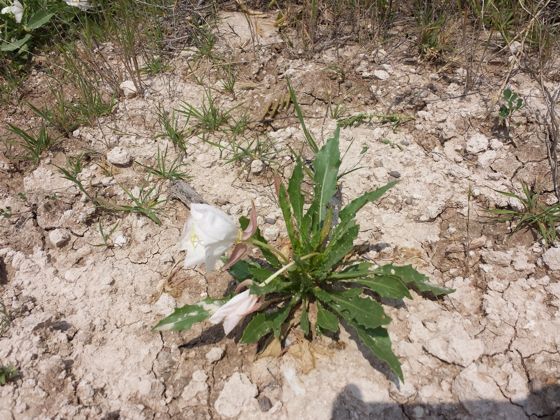
Other Oenothera on Bloomipedia (11): Pinkladies, Common evening-primrose, Cutleaf evening primrose, Fragrant evening primrose, Birdcage evening primrose, Bigfruit evening primrose, Pale evening primrose, False gaura, Yellow sundrops, Fourpoint evening primrose.
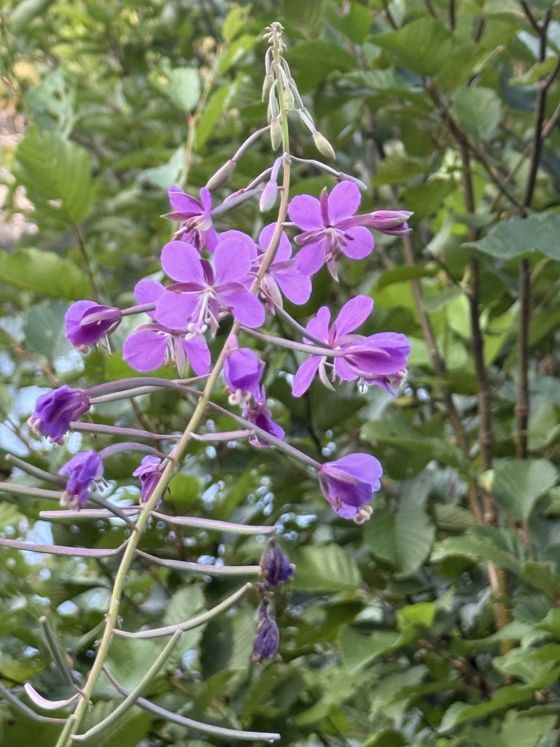
More from the Onagraceae family (19 on Bloomipedia; most observed first): Fireweed, California fuchsia, Broadleaf enchanter's nightshade, Elegant clarkia, Sun cup, Dwarf fireweed, Peruvian primrose-willow, Golden suncup.
More Colorado flowers
Sources
- USDA, NRCS. PLANTS Database, profile OESU3.
- iNaturalist, Oenothera suffrutescens: taxonomy, research-grade observation counts and “Flowering” annotations, retrieved October 17, 2026.
- Wikipedia, Oenothera suffrutescens (lead quoted under CC BY-SA 4.0).
- State rare and invasive plant lists (10):
Show all 10 state lists
- Colorado: Colorado noxious weed lists A, B and C (8 CCR 1206-2, eff. May 15, 2025).
- New Mexico: New Mexico state endangered plant species (19.21.2.9 NMAC).
- New Mexico: New Mexico Noxious Weed List (NM Department of Agriculture, updated June 2020).
- Montana: Montana noxious weed list (Admin. R. Mont. 4.5.206–4.5.210).
- Nevada: Nevada fully protected plants, critically endangered (NAC 527.010).
- Nevada: Nevada noxious weeds (NAC 555.010).
- South Dakota: South Dakota statewide noxious weeds (ARSD 12:62:03:01.06).
- North Dakota: North Dakota state noxious weeds (N.D. Admin. Code 7-06-01-02), as listed by the ND Department of Agriculture.
- Nebraska: Nebraska threatened and endangered species (163 Neb. Admin. Code ch. 4, § 004).
- Nebraska: Nebraska noxious weeds (25 Neb. Admin. Code ch. 10, § 001.02).
- USFWS, ECOS species database (ESA listing check), October 17, 2026.
- NatureServe Explorer, Oenothera suffrutescens (global and state ranks).
- Edibility and toxicity: no source found (marked "not well documented").
- Photo: Anders Hastings via iNaturalist · CC BY 4.0 · resized.