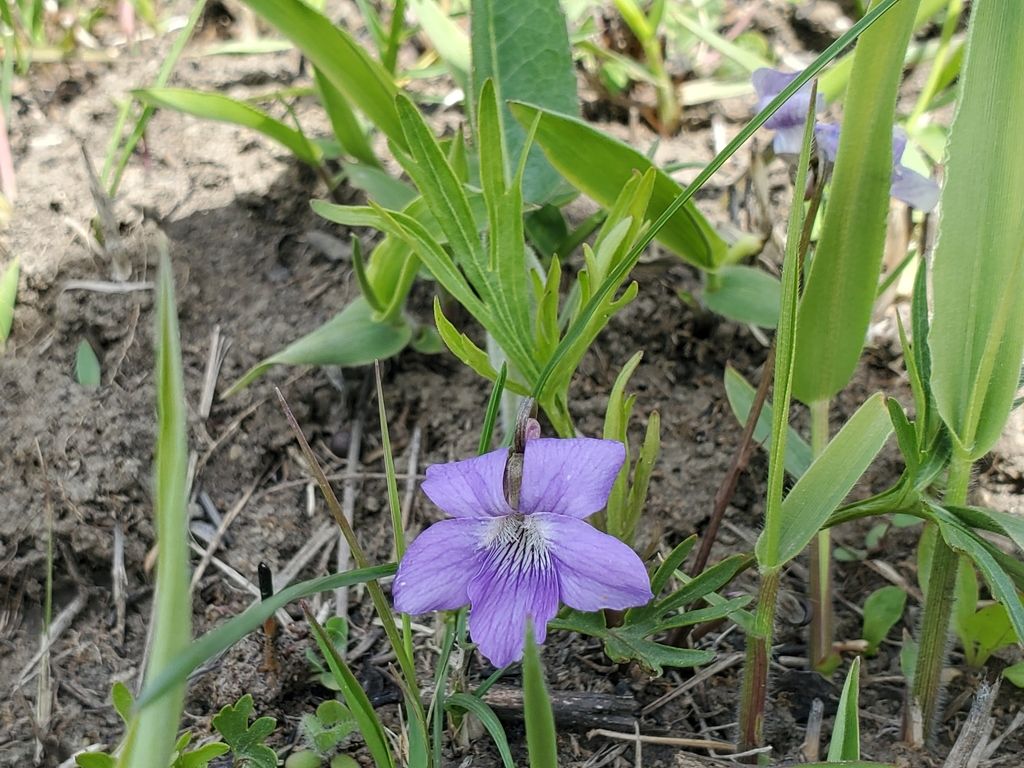
Flower profile
Violets
Viola
Violets (Viola) is a flowering plant in the Violaceae family, native in the lower 48 states, blooming mostly March–May across the U.S.
Violets is a wildflower that USDA PLANTS lists as native in the lower 48 states. In Illinois it's most often seen in bloom in April–May.
*iNaturalist research-grade observations, as of October 17, 2026.
On our lists for: Illinois
Quick look
Viola, commonly known as the violets, is a genus of flowering plants in the family Violaceae. It is the largest genus in the family, containing over 680 species. Most species are found in the temperate Northern Hemisphere; however, some are also found in widely divergent areas such as Hawaii, Australasia, and the Andes.
- It belongs to the Violaceae family. iNaturalist
- USDA PLANTS describes it as an herb (forb) with a perennial life cycle. USDA PLANTS
- USDA PLANTS lists it as native in the lower 48 states and records it in 24 states. USDA PLANTS
- In Illinois, most iNaturalist sightings of it in flower come in April–May. iNaturalist
- iNaturalist has 5,528 research-grade sightings of it in Illinois, ranking #14 among the 180 flowers on our Illinois list. iNaturalist
When does it bloom?
In Illinois, most flowering sightings come in April–May.
Conservation status
- Federal (U.S. ESA)
- Not listed No U.S. Endangered Species Act listing in the USFWS ECOS database. USFWS ECOS
- NatureServe
- Unknown We couldn't find this name in NatureServe Explorer. NatureServe
- Illinois
- n/a Illinois's list is by species, so a whole genus isn't assessed. IL E&T checklist 2025
Checked October 17, 2026. Rankings and lists can change, so follow the links for the latest.
Can you eat it?
NC State Extension notes: “Violet leaves are high in Vitamin C and can be used in salads or cooked. The flowers can be made into candies or jellies.” NC State Extension
It isn't on the ASPCA plant list, and NC State Extension doesn't flag it for pets.
🌿 Never eat a wild plant unless you're certain of its ID; this isn't medical advice. Worried about a person? Call Poison Control at 1-800-222-1222. Worried about a pet? Call your vet.
Where does it grow?
USDA PLANTS records violets in 24 states.
recorded by USDA PLANTS on our state lists not recorded
See the full list of states
Connecticut, Delaware, Georgia, Illinois, Indiana, Iowa, Kentucky, Massachusetts, Michigan, Minnesota, Missouri, New Jersey, New York, North Carolina, North Dakota, Ohio, Oklahoma, Pennsylvania, South Carolina, Tennessee, Vermont, Virginia, West Virginia, Wisconsin.
Names, range and relatives
Other scientific names (synonyms in USDA PLANTS): Viola angellae, Viola subsinuata, Viola ×subsinuata.
County records: USDA PLANTS lists it in 67 counties across 5 states; the most are in Kentucky (32), Wisconsin (16), Missouri (13).
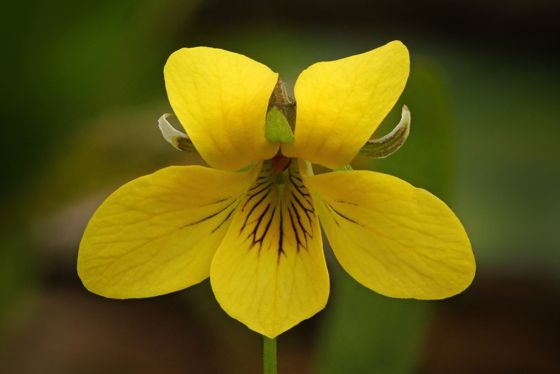
Other Viola on Bloomipedia (14): Smooth yellow violet, Bird's foot violet, Canada violet, American field pansy, Stream violet, Cream violet, Hookedspur violet, Halberd-leaved violet, Long-spurred violet, Primrose-leaved violet.
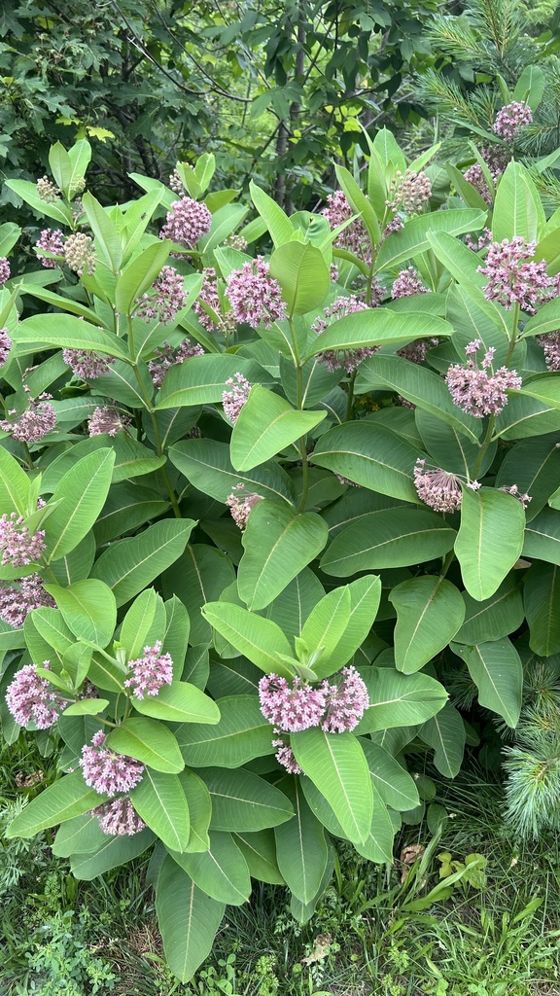
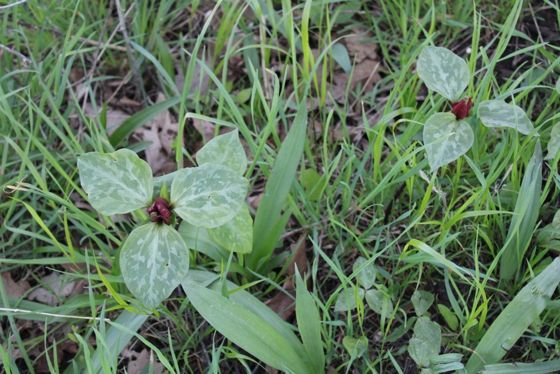
More Illinois flowers
Sources
- USDA, NRCS. PLANTS Database, profile VIBE5.
- iNaturalist, Viola: taxonomy, research-grade observation counts and “Flowering” annotations, retrieved October 17, 2026.
- Wikipedia, Viola (plant) (lead quoted under CC BY-SA 4.0).
- 5 ILCS 460/20 (State Designations Act): Illinois state flower.
- Illinois: Illinois List of Endangered and Threatened Flora (17 Ill. Adm. Code 1050), per the Endangered Species Protection Board's 2025 checklist.
- Illinois: Illinois Official List of Exotic Weeds (17 Ill. Adm. Code 1100.30, Illinois Exotic Weed Act).
- USFWS, ECOS species database (ESA listing check), October 17, 2026.
- Edibility and toxicity: NC State Extension.
- Photo: Katie Kucera via iNaturalist · CC BY 4.0 · resized.