Flower profile
Fennel
Foeniculum vulgare
Also called sweet fennel
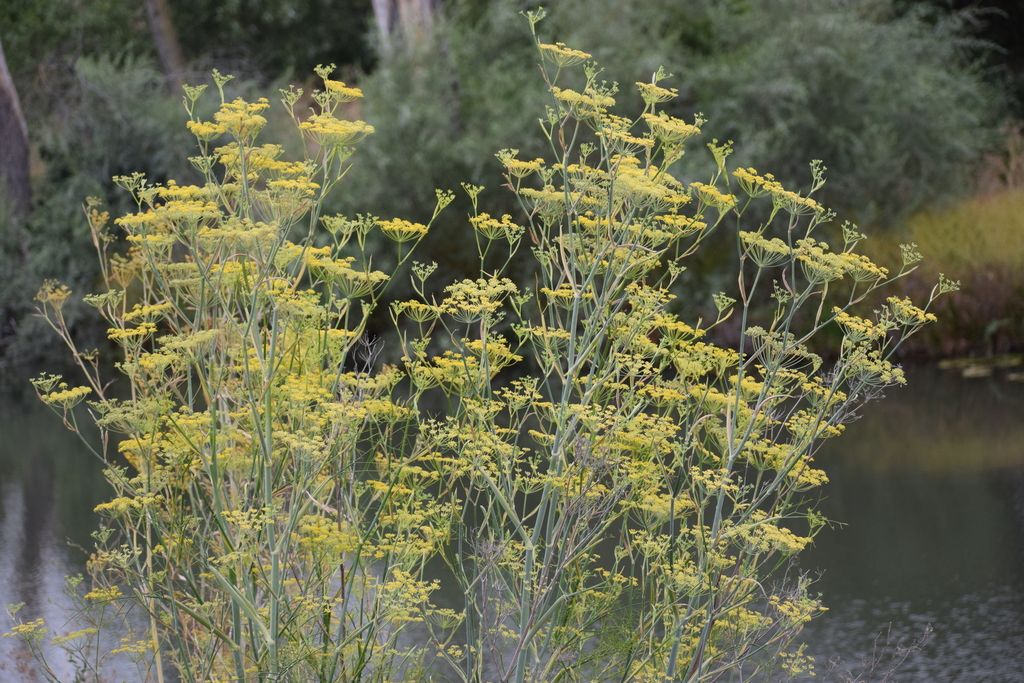
Identification
Fennel is described as herbaceous, with biennial, perennial.2
When it blooms
In California, most flowering sightings come in June–September.1
iNaturalist flowering sightings across the U.S. are most often in June–September1.
Where it grows
USDA PLANTS records it in 36 states.2 It is listed as introduced in the lower 48 states.2
See the full state list
- California
- Arizona
- Connecticut
- Delaware
- Florida
- Georgia
- Hawaii
- Illinois
- Iowa
- Kansas
- Kentucky
- Louisiana
- Maine
- Maryland
- Massachusetts
- Michigan
- Mississippi
- Missouri
- Nebraska
- Nevada
- New Jersey
- New Mexico
- New York
- North Carolina
- Ohio
- Oregon
- Pennsylvania
- Rhode Island
- South Carolina
- Tennessee
- Texas
- Utah
- Virginia
- Washington
- West Virginia
- Wisconsin
Edibility and toxicity
For pets: ASPCA's entry “Fennel” (Foeniculum vulgare) lists it as non-toxic to dogs, cats and horses. Eating lots of any plant can still upset a pet's stomach3.
Never eat a wild plant unless you are certain of its identity; this is not medical advice. For a person, call Poison Control at 1-800-222-1222. For a pet, call your vet.
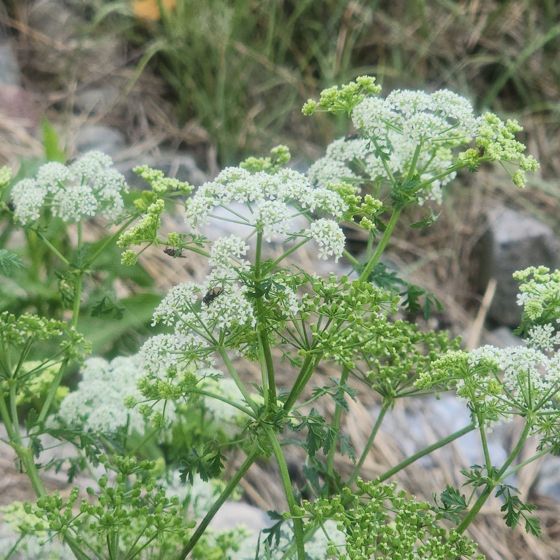
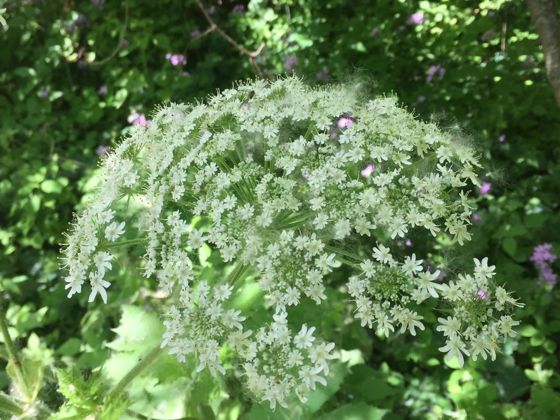
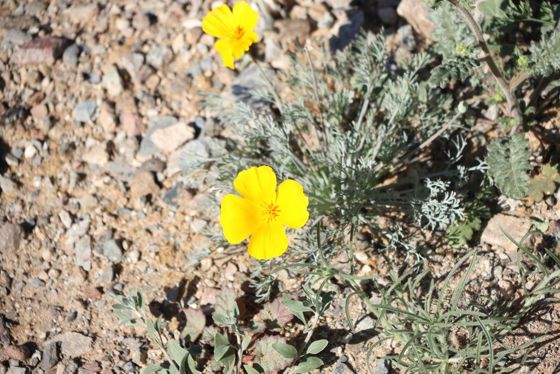
Related plants
Sources and review date
Facts on this page are drawn from the sources below. Numbers in the text point here. Sources used for this page were retrieved as of October 17, 2026.
- iNaturalist (taxonomy, research-grade observation counts and “Flowering” annotations, retrieved October 17, 2026).
- USDA, NRCS. PLANTS Database (profile FOVU).
- ASPCA.
- Photo: Anne Parsons via iNaturalist · CC0 · resized.